Modern staircase design is built around clean lines, simple shapes, carefully chosen materials and a layout that improves the way a home feels and functions. For Brisbane and Gold Coast homeowners, a modern staircase can become a major architectural feature, with contemporary staircase designs using timber, steel, glass and floating stair details to create an open, premium finish. Get the proportions and materials right and the staircase can transform the whole space.
What modern staircase actually means
At its core, modern staircase design is less about showing off and more about editing. You strip away the decorative extras and focus on proportion, material, light, and flow. Think of it like a well-fitted shirt compared with one covered in ruffles. The simpler one usually looks better because every part has a job.
That matters in Brisbane and Gold Coast homes, especially where open-plan living, natural light, and indoor-outdoor connection do a lot of the heavy lifting. A staircase sits right in the middle of that experience. It can quietly frame the room and help everything feel calmer, or it can interrupt sightlines and make the layout feel chopped up.
The features that give a staircase a modern look
Most people mean a few specific things when they say “modern” stairs. They are talking about minimal detail, open sightlines, slimmer structural elements, clear geometry, and a controlled colour palette. Not cold. Not sterile. Just intentional.
A modern stair usually avoids visual clutter. Treads, handrails, balustrades, and supports feel considered rather than busy. Even when the materials are rich, the overall effect stays calm.
Clean lines over decorative fuss
Modern stairs skip ornate newel posts, carved details, and chunky trim because those details pull attention in too many directions. Simple forms do the opposite. They let the shape of the stair speak for itself.
That often makes a staircase feel more expensive, not less. A sharp timber tread, a neat steel stringer, and a well-proportioned handrail look timeless because nothing is trying too hard. The trick is in the restraint.
Light, openness, and visual flow
One of the biggest appeals of modern staircase design is how it handles space. Open risers, which simply means gaps between each tread, let light and views move through the stair instead of stopping dead at a solid wall of steps.
In a bright Brisbane and Gold Coast renovation, that can make a noticeable difference at 3 pm when the western light hits the living area and every solid surface suddenly feels heavier. A modern stair often acts more like a frame than a barrier. You still get structure, but without blocking the room.
Material contrast that still feels calm
Modern design loves contrast, but only when it stays disciplined. Black steel with pale oak, clear glass with warm timber, or a dark balustrade against soft white walls all work because the palette stays tight.
The catch is that too many finishes can break the spell. Once you add three timber tones, a feature tile, brushed brass, and glossy black, the staircase stops feeling modern and starts feeling undecided. Strong contrast works best when the background stays quiet.
Popular modern staircase styles for Brisbane and Gold Coast homes
Style matters, but layout matters more. A staircase that looks brilliant in a showroom photo can feel wrong in your actual floor plan. That is why it helps to understand the main stair types and what each one does well.
Floating staircases
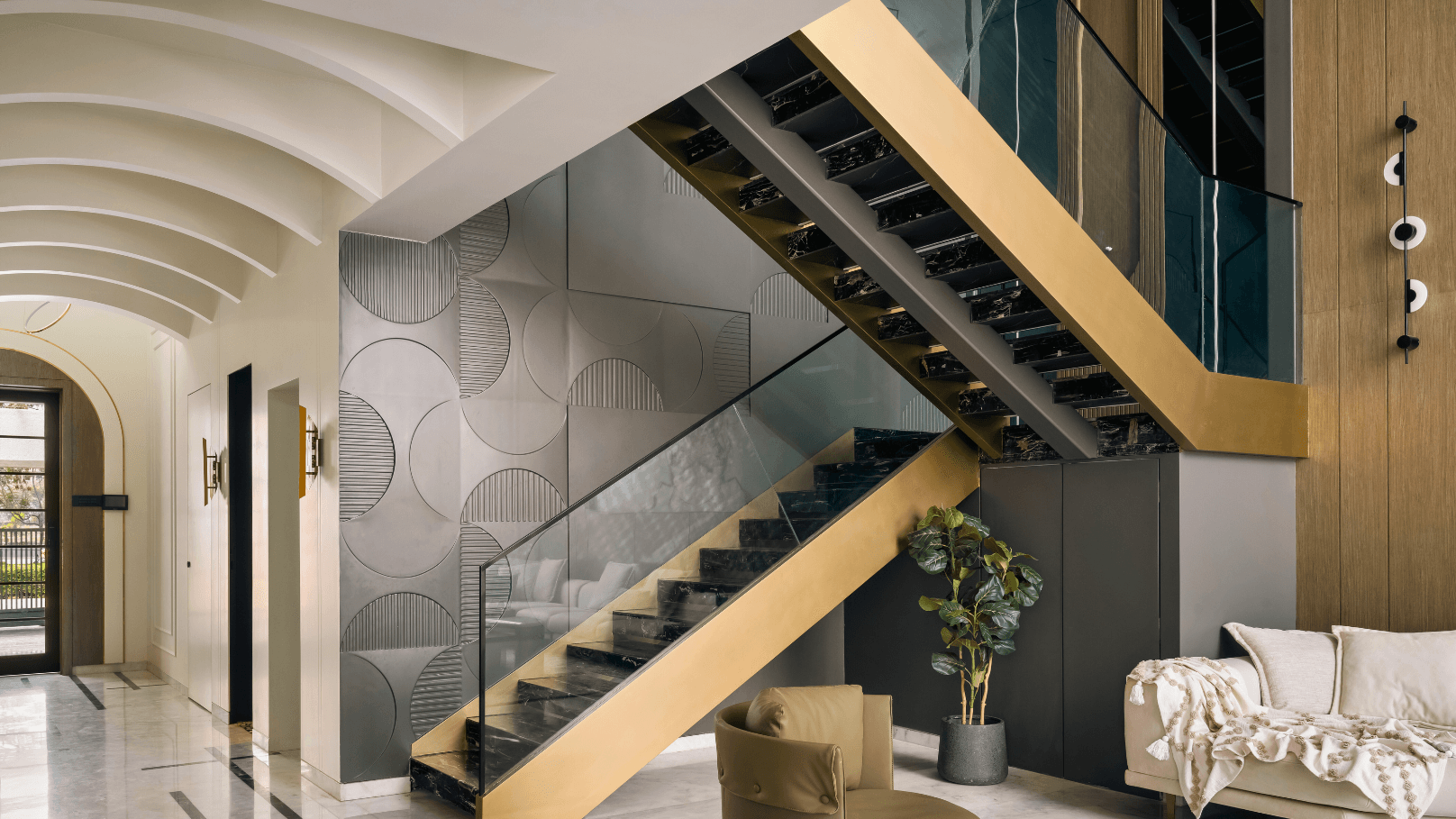
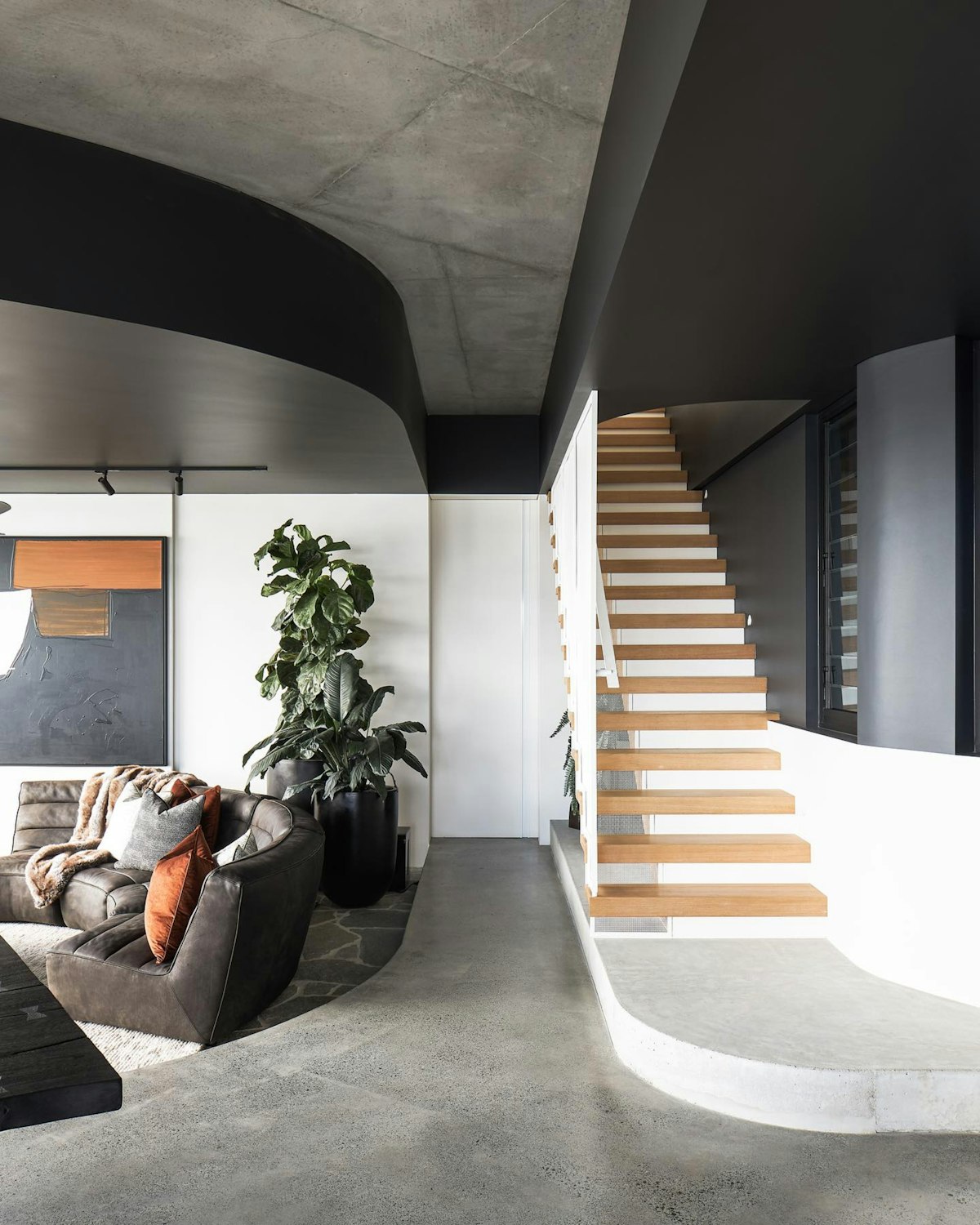
A floating stair gets its look from hidden supports or a cantilevered effect, which means the treads appear to project from the wall or a concealed frame. Visually, it is hard to beat. The whole room feels lighter because the stair takes up less visual weight.
But floating stairs need proper planning. Structure, wall support, engineering, balustrade detailing, and compliance all need to line up early. In open-plan homes, though, this style can be the hero piece without feeling bulky.
Closed-riser modern stairs
Modern does not always mean airy. Closed-riser stairs, where each tread has a solid vertical face underneath, can still look sleek and current. The cleaner versions use crisp profiles, simple balustrades, and controlled finishes rather than decorative trim.
There is a practical upside too. Closed risers can feel more solid underfoot, offer a little more privacy between spaces, and are often easier to clean. If daily life matters more than dramatic effect, this style earns a serious look.
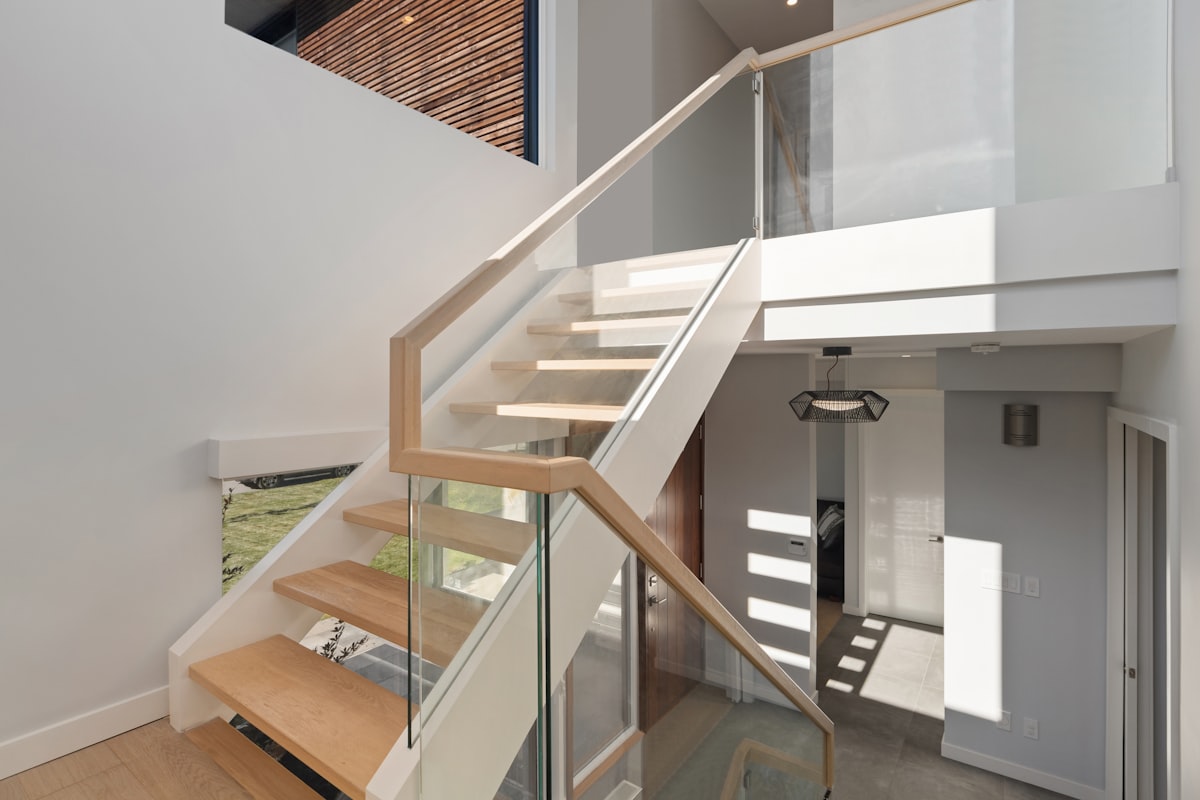
Glass balustrade stairs
Glass balustrades stay popular for a reason. They keep sight-lines open, help natural light travel, and work beautifully in homes where you want the staircase to recede rather than dominate.
Honestly, the only obvious trade-off is cleaning. If fingerprints, dust, or nose prints from a very enthusiastic dog bother you, glass asks for regular attention. But in the right home, the openness is worth it.
Steel, timber, and mixed-material designs
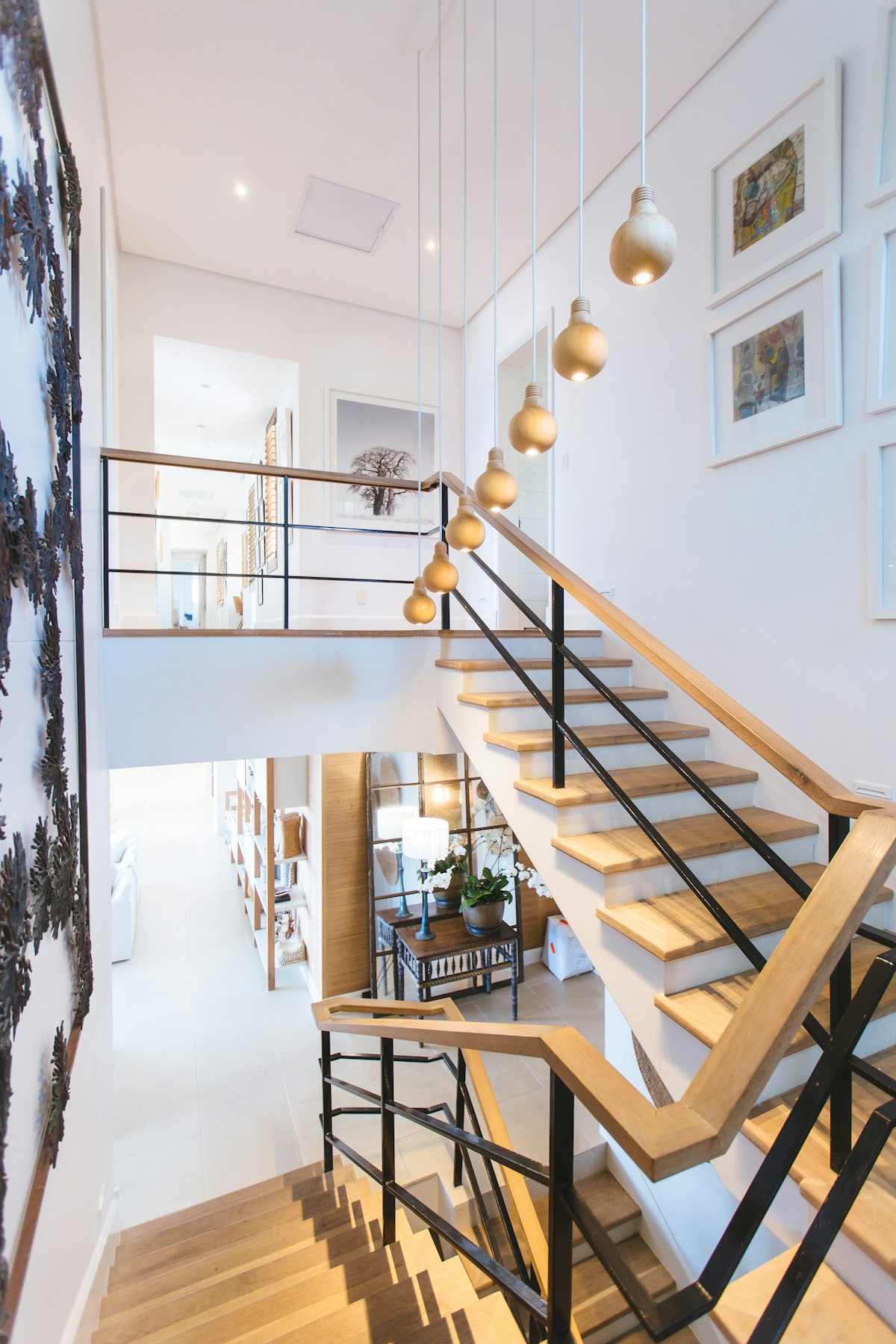
Steel brings definition. Timber brings warmth. Put them together and you often get the best balance in modern staircase. A black steel frame with oak treads is a classic example because it feels sharp without feeling harsh.
Mixed-material stairs are especially useful when your home sits somewhere between contemporary and lived-in. They stop a modern scheme from becoming too stark, while still keeping the structure crisp and architectural.
Compact and space-smart modern stairs
Not every modern stair needs to be a showpiece. In a townhouse, smaller renovation, or narrow floor plan, the smartest staircase may simply be the one that solves the layout neatly without making the room feel squeezed.
Compact stairs can still look clean and current through good proportions, simple balustrades, and careful storage planning. Modern design is not about size. It is about clarity.
How to choose a staircase that works in your home
The best staircase is not the one with the most dramatic photo. It is the one that suits your house, your habits, and your budget without fighting the rest of the design.
Match the staircase to your home’s architecture
A good staircase looks like it belongs. In a new build, that might mean sharper geometry and bolder materials. In a character home, it may mean using modern detailing more gently, perhaps with warm timber and a quieter balustrade profile.
The point is simple: your stair should feel connected to the architecture, not dropped in from another project.
Think about space, traffic, and sightlines
This is where real life takes over. You are not just walking up and down in a styled photo. You are carrying laundry, shopping bags, school gear, and the occasional awkward flat-pack box.
Look at width, landing space, head height, and how the stair affects movement between key areas. If the stair blocks the kitchen view, narrows a hallway too much, or lands in the wrong spot, you will notice it every day.
Set a budget early
 Stair costs change fast once you add custom steelwork, complex joinery, glass, feature lighting, or hidden structural support. Floating stairs and detailed glass balustrades usually sit higher. Simpler closed-riser forms with straightforward finishes can still look excellent for less.
Setting a budget early helps you spend money where it counts, on proportion, materials, and fabrication quality, instead of chasing every visual extra.
Plan for storage or use the area underneath
Under-stair space is valuable, but not every staircase needs to be packed with drawers and cupboards. Sometimes built-in joinery is exactly right, especially in tighter homes where every bit of storage matters.
Sometimes it makes the stair feel heavier than it should. A study nook, open shelving, or leaving the area visually clear can be the better move if openness is the goal.
Materials and finishes that hold up in real life
Pretty photos are easy. A staircase that still looks good after years of daily use is the real test.
Timber for warmth and texture
Timber stops modern stairs from feeling cold. Pale oak-style finishes keep things light, deeper tones add richness, and matte finishes tend to soften glare while hiding small wear marks better than high gloss.
That matters more than you might think. A finish that looks perfect under showroom lights can look very different in a busy family home.
Steel for crisp structure
Steel works well for stringers, which are the side supports of the stair, as well as balustrades, handrails, and framing. It gives a thinner, cleaner profile than bulkier construction methods and suits contemporary homes especially well.
Powder-coated steel also holds up nicely when chosen well, particularly in black, white, or muted charcoals.
Glass for openness
Glass is ideal when you want to protect light, views, or that open-plan feeling. It pairs especially well with timber treads and restrained metal details, because it lets the other materials stand out.
Just be realistic about upkeep. If a glass shower screen already tests your patience, staircase glass will not magically behave better.
Finishes, colours, and slip resistance
Paint, stain, powder coating, and textured surfaces all change how a stair looks and feels. But the prettiest finish is not the right finish if it turns slippery in socks on a humid Brisbane morning.
A good modern stair balances appearance with grip, durability, and ease of maintenance. That balance is where smart design lives.
Safety, building rules, and the custom-design factor
A staircase only works when it satisfies both Design and compliance. That is not a compromise. It is the whole point.
What needs to be considered for compliance
Tread depth, riser height, consistency between steps, balustrade height, gap sizes, handrails, and structural support all need to meet Australian building requirements. If one of those elements is off, the stair may look fine on paper and still fail where it counts.
Good design works with the rules early, not after the concept is locked in.
Family-friendly modern design
A modern stair can still be easy to live with. Good grip, clear visibility, comfortable handrails, and sensible detailing matter if kids use the stairs daily or older family members visit often.
The sleekest detail in a photo is not always the best one for your house. If it feels awkward, hard to hold, or visually confusing, it will get old fast.
Why custom design matters in renovations and new builds
Custom design becomes worth it when your layout is tricky, your staircase is a major visual feature staircase, or your home needs a stair that respects existing architecture. In Brisbane renovations especially, that balance matters. You often need a stair that feels open enough for light and airflow, but grounded enough to suit the rest of the home.
Custom work is not about making things fancy. It is about getting the proportions right.
Common mistakes and what to do instead
Most staircase regrets start with an image saved too quickly and a practical question asked too late.
Chasing a trend instead of a long-term look
Very specific trends date fast. Overly sculptural forms, flashy finishes, or details that scream one particular year rarely age well. A balanced modern staircase lasts longer because it relies on proportion and material quality, not novelty.
Use trend touches in styling or colour, not in the whole structure.
Choosing looks before function
A staircase that works well always looks better in the long run. That is a direct rule worth keeping. Poor placement, bad lighting, awkward proportions, and hard-to-clean detailing will wear you down no matter how nice the original concept looked.
Function is not the boring part. It is what makes the design feel effortless.
Assuming modern means cold or uncomfortable
This one is easy to fix. Modern stairs can feel calm, warm, and inviting with timber, soft lighting, comfortable proportions, and restrained detail.
The word “modern” tends to scare people into picturing something stark and echoey. In practice, the best modern staircases feel settled, not sterile.
Questions worth answering before you commit
Before you lock in a design, a few simple questions can save a lot of backtracking.
Is a modern staircase right for every home?
Modern principles suit most homes surprisingly well, but the design has to respond to the architecture. A Queenslander renovation will want a different expression than a new minimalist build. The shared idea is clarity, not copying a showroom photo.
What staircase style gives the best mix of looks and practicality?
Closed-riser stairs usually offer the safest middle ground for everyday ease, clean looks, and manageable cost. Floating stairs win on visual impact. Glass balustrades are excellent when light and openness matter most. The best choice depends on what you want the stair to do, not just how you want it to look.
What should you bring to a design consultation?
Bring plans, measurements, inspiration images, a rough budget range, and a clear sense of how you want the space to feel. That last part matters more than people think.
A useful first move is simple: save three staircase examples you keep coming back to, then notice what they share. Usually it is not one flashy detail. It is the feeling of the whole thing.
Planning a modern staircase for a Brisbane or Gold Coast home? The Staircase Studio can help with modern staircase design, materials and practical planning for new builds and renovations. Request a staircase quote.