Staircase cost in Brisbane can range from roughly $10,000 for a simpler custom design to $40,000 or more for larger, more complex architectural stairs. The final figure depends on layout, materials, balustrades, finishes, structural requirements and installation conditions, so any useful price guide is indicative only. If your project is bespoke, a site-specific quote matters more than a generic average.
new staircase cost
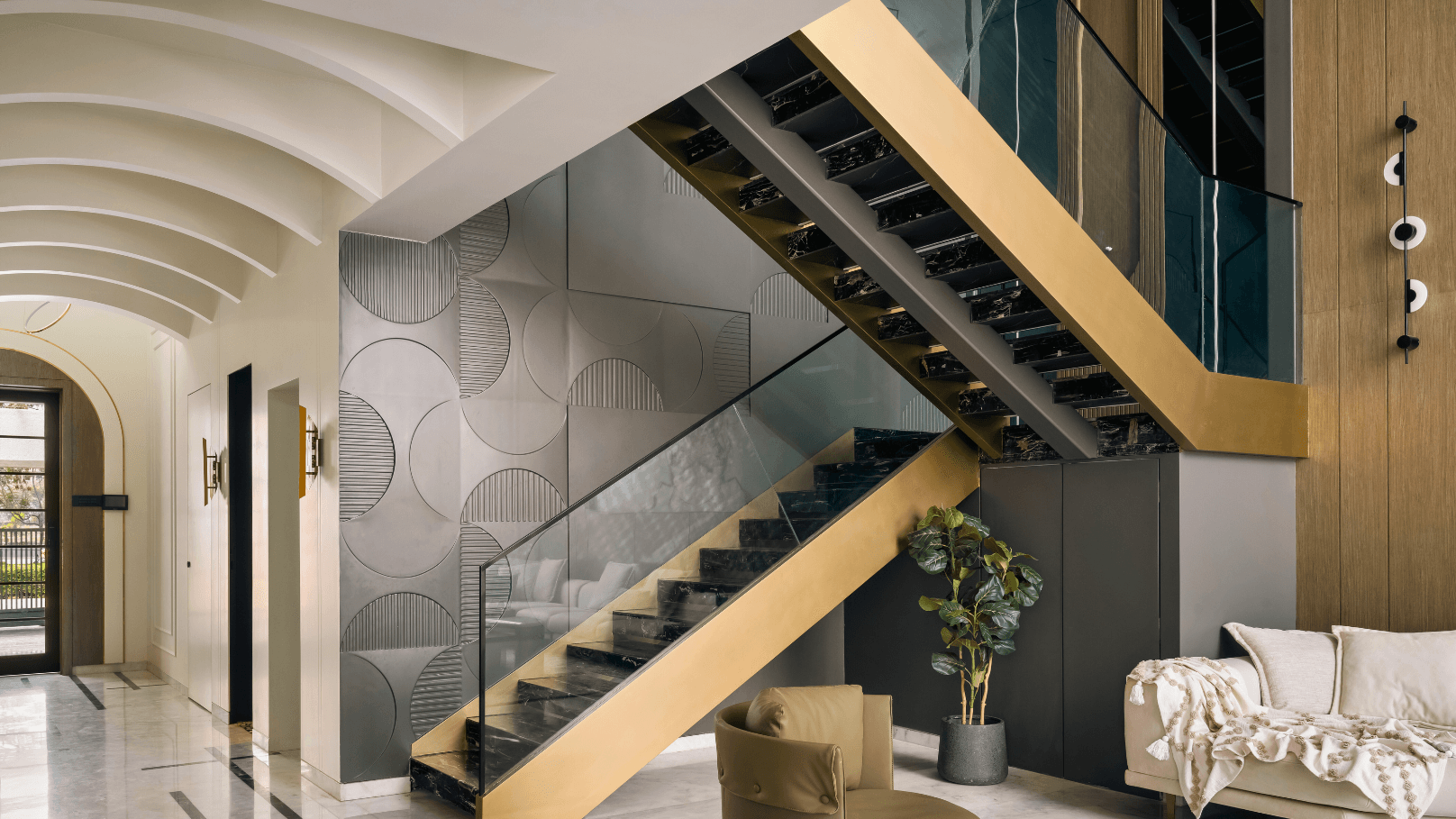
For a custom staircase cost, the main question is not just “how much?” but “what exactly is being built?” A straight timber stair in a straightforward location sits at the lower end of the range, while a feature staircase with steel, timber and glass usually sits much higher. Once your design includes landings, void detailing, feature balustrades or difficult site access, costs rise quickly.
That is why two staircase quotes can look very different even when the stair serves the same floor-to-floor connection. One may include design detailing, engineering, premium finishes and full installation, while another may cover basic fabrication only.
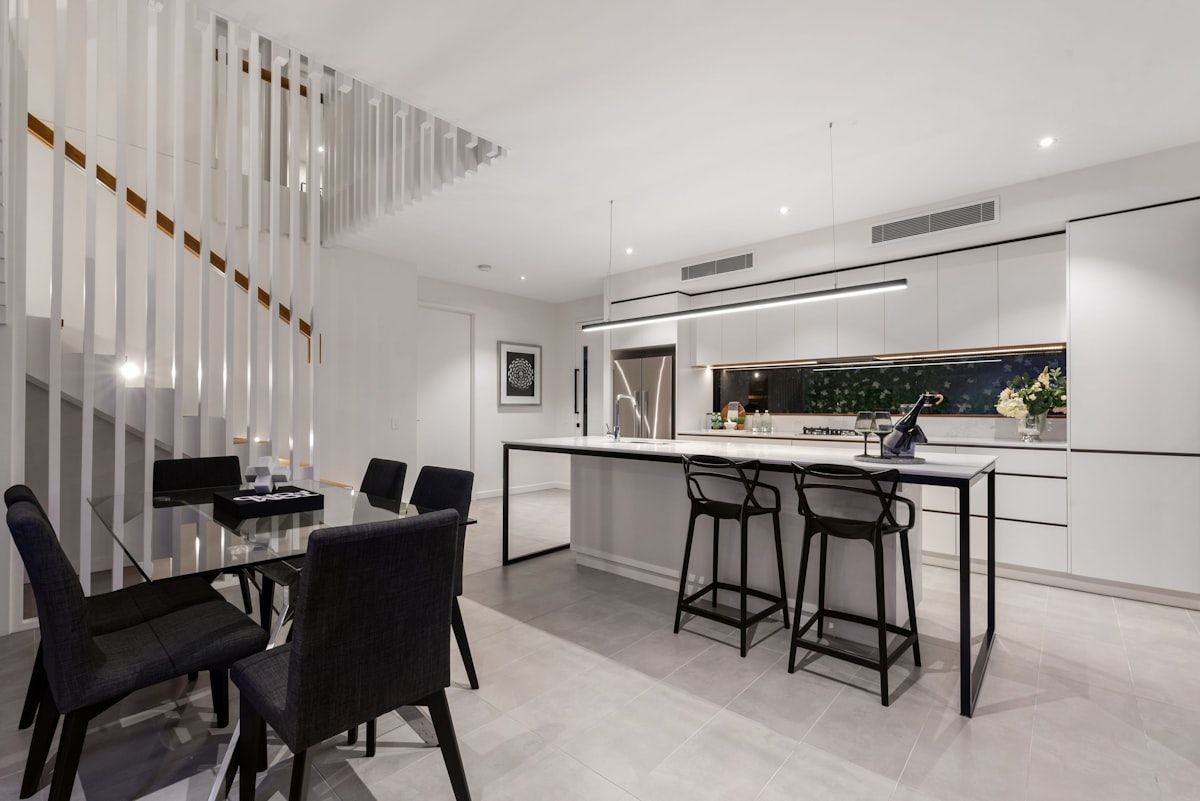
Staircase Cost Breakdown by Type
Style has a direct impact on cost because it changes the amount of material, fabrication time and installation precision required. A staircase is a bit like joinery mixed with structure, small design changes often create a noticeable pricing difference.
Straight, L-Shaped, U-Shaped and Spiral Staircases
Straight stairs are usually the most cost-effective staircase cost option. The geometry is simpler, fabrication is more straightforward, and installation generally involves fewer complications.
L-shaped and U-shaped stairs usually cost more because turns and landings add framing, joinery and labour. They can improve flow and fit tighter floor plans, but that efficiency in space often comes with extra construction work.
Spiral staircases can vary widely. They save floor space, but the curved fabrication, central support system and tighter compliance considerations often make them more expensive than people expect.
Timber, Steel, Concrete and Mixed-Material Staircases
Timber stairs can be comparatively cost-effective or premium, depending on timber species, detailing and finish. Painted timber tends to sit lower than high-end hardwoods with stained or clear finishes. If you are comparing options, it helps to understand how different stair materials perform in Brisbane homes.
Steel staircases usually cost more than basic timber because fabrication and finishing are more specialised. Powder-coating, exposed stringers and custom connections also add to the total.
Concrete stairs are often tied closely to the broader build because formwork, reinforcement and finishing need to be coordinated early. Mixed-material staircases, such as timber treads with steel stringers and glass balustrades, usually sit at the higher end because each trade element adds complexity.
What Affects the Cost of a New Staircase?
Most staircase pricing comes back to one simple point: custom work is priced by complexity, not by stair count alone. Dimensions, structure, finish level and site conditions all shape the quote.
Size, Height and Structural Requirements
A higher floor-to-floor measurement usually means more risers, more material and more labour. Wider stairs, thicker treads and larger landings also increase cost.
Structural requirements matter too. If the stair needs heavier supports, complex fixings or engineering to suit an open-plan void, the design and fabrication become more involved. That is often the hidden difference between a simple stair and a true feature piece.
Balustrades, Handrails and Finishes
Balustrades can materially change the staircase cost. Simple painted timber balustrades are very different from frameless glass, custom steel pickets or hardwood handrails with detailed joinery.
Finishes add another layer. Staining, painting, clear coatings, powder-coating, feature posts and tread nosings all affect the final number. Compliance also matters here, especially when you are working through height and safety rules for stair balustrades.
Site Access, Labour and Compliance
Labour is not only about installation time. Tight access, upper-level delivery, tricky set-outs and the removal of an existing stair all add time and cost.
Compliance is another major factor. Australian and Queensland requirements affect stair geometry, head height, balustrading and safety details. If you want a clearer picture of how local stair rules shape design choices, it helps to review compliance early rather than redesign later.
Extra Costs to Budget For
The headline staircase costis not always the whole project cost. Surrounding work can shift the real budget more than expected.
Design, Engineering and Approvals
Custom staircases may require drafting, shop drawings and engineering certification, especially when the stair is structural or highly detailed. Depending on the scope of your renovation or new build, approvals may also be part of the process.
These items are not optional extras in many projects. They are part of turning an attractive concept into something buildable and compliant.
Demolition, Finishing Trades and Surrounding Works
If an existing staircase is being removed, demolition and disposal should be budgeted separately unless clearly included. After installation, there may also be plaster repairs, painting, flooring make-good work or joinery adjustments around the opening.
Those surrounding works are why comparing quotes line by line matters. A cheaper staircase price can become more expensive once excluded items are added back in.
Is It Cheaper to Renovate or Replace a Staircase?
Renovating is usually cheaper if the existing stair structure is sound and you only want visual updates, such as replacing treads, risers or balustrades. That approach can work well when the layout already suits the home.
Replacement makes more sense when safety, compliance, layout or design quality are the issue. If you want a more architectural result, a full custom solution often delivers better proportions, cleaner detailing and a more cohesive finish. For projects weighing flexibility against design ambition, it helps to compare off-the-shelf and custom stair options.
How to Get an Accurate Staircase Quote
Accurate quotes depend on accurate information. Provide plans, floor-to-floor height, stair width, preferred layout, material choices, balustrade type, finish preferences, site photos and your timeframe. If the project is a renovation, include details about demolition and access as well.
When comparing quotes, focus on inclusions, not just the total. Check whether design drawings, engineering, balustrades, finishes, installation and surrounding make-good works are covered. For a custom project in Brisbane, a detailed quote usually tells you more than the lowest number.
Common Questions About Staircase Cost
How long does a new staircase take to build and install?
A custom staircase usually takes longer than a standard pre-made option because design, detailing, fabrication and finishing all happen before installation. Lead times vary by complexity, but the full process often runs across several weeks rather than several days.
When comparing staircase prices, homeowners should also check what is included in the quote and confirm the contractor is appropriately licensed before accepting the work.
What is the cheapest staircase option?
A straight staircase in a simpler material and finish is generally the most affordable custom option. Even so, the cheapest layout may not suit your floor plan, style or finish expectations.
Why do custom staircases cost more?
Custom stairs cost more because they are designed for your exact space and built to suit your dimensions, structure and finish selections. Local fabrication, compliance, detailing and installation precision all add value, and all add cost.
Does glass make a staircase much more expensive?
Yes, in many cases. Glass balustrades usually increase cost because the material, hardware, compliance requirements and installation are more specialised than standard balustrade options.
Are staircase quotes usually all-inclusive?
Not always. Some quotes include design, engineering, finishes and installation, while others exclude demolition, painting, glazing or surrounding repairs. Always check the inclusions schedule carefully.
What changes the price the most?
Layout complexity, material choice, balustrade design and site conditions usually have the biggest effect. Small finish upgrades can also add up quickly.
If you are planning a new staircase in Brisbane, the most useful next step is a quote based on your actual plans, site conditions and finish selections. That is the point where staircase cost stops being a broad range and becomes a workable project number from The Staircase Studio.